

Brand
Identity
Introduction
By Irfan Arif
Creative Director
Doha, Qatar
Most clients come to me thinking they need a logo. What they actually need is a language — a visual and verbal system that communicates who they are before anyone reads a single word.
Brand identity is one of the most misunderstood investments a business can make. Ask ten people what it is and you will get ten different answers. A logo. A colour palette. A font. A tagline. All correct. None complete.
As a Creative Director based in Doha, Qatar, I have spent years building brand identities for companies across the Gulf region and beyond. I have come to think of brand identity as a promise made visible — the sum of every deliberate visual and verbal decision a business makes, and the feeling those decisions produce in the people encountering them.
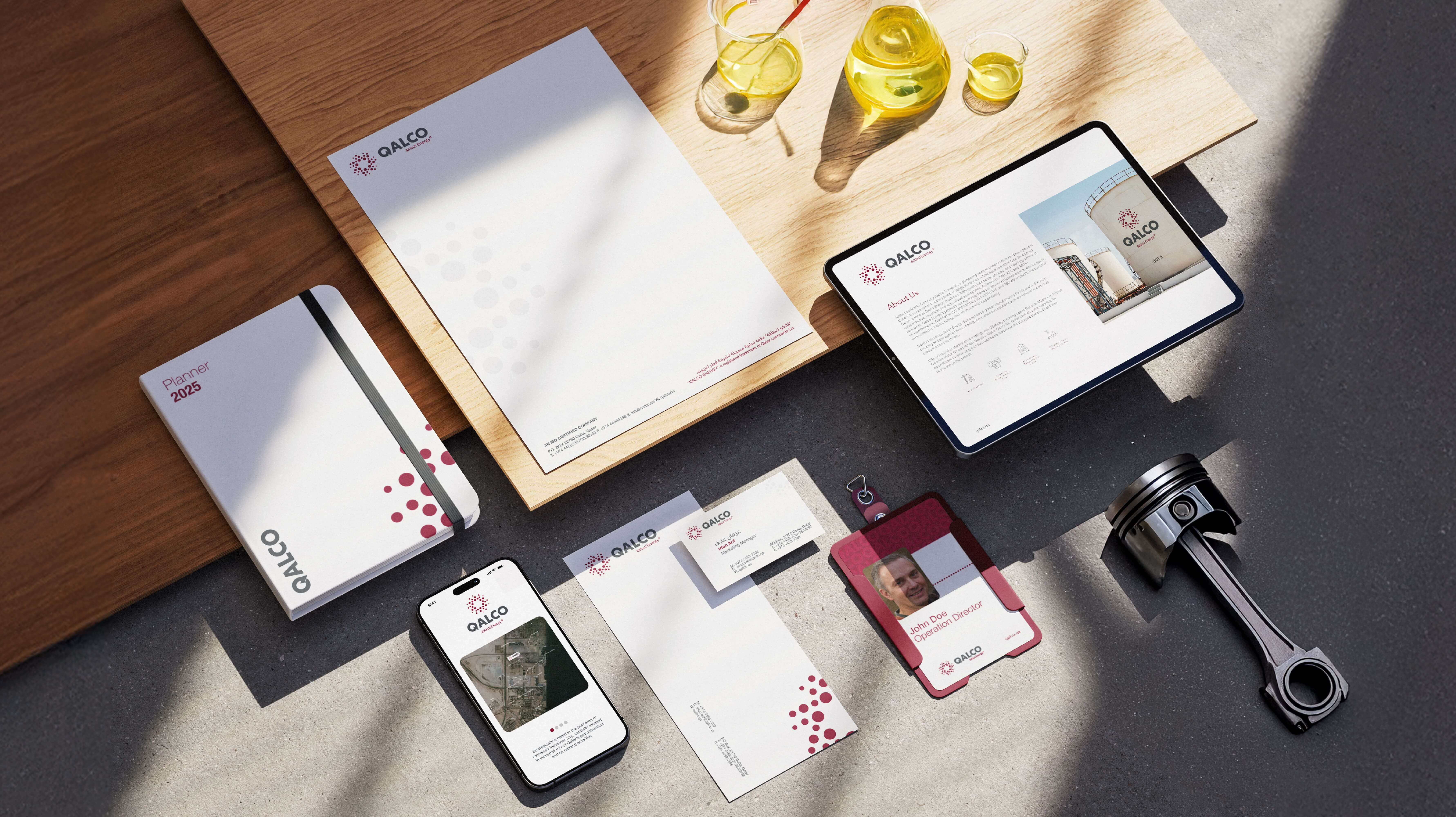
A brand is not what you say it is — it is what they say it is.
Strategy. Consistency. System. These are the real building blocks of a brand.
The Five Pillars
What Brand Identity Is Made Of
- Logo & Mark The visual symbol of recognition — not the brand itself, but its signature 01
- Colour System A strategic palette that comes from positioning, not personal preference 02
- Typography Typefaces that reflect character — chosen for meaning, not trend 03
- Imagery Style A consistent visual language for photography and illustration 04
- Voice & Tone The verbal personality of the brand — how it speaks, not just what it says 05
01 — The Logo
The Logo is the Anchor, Not the Ship
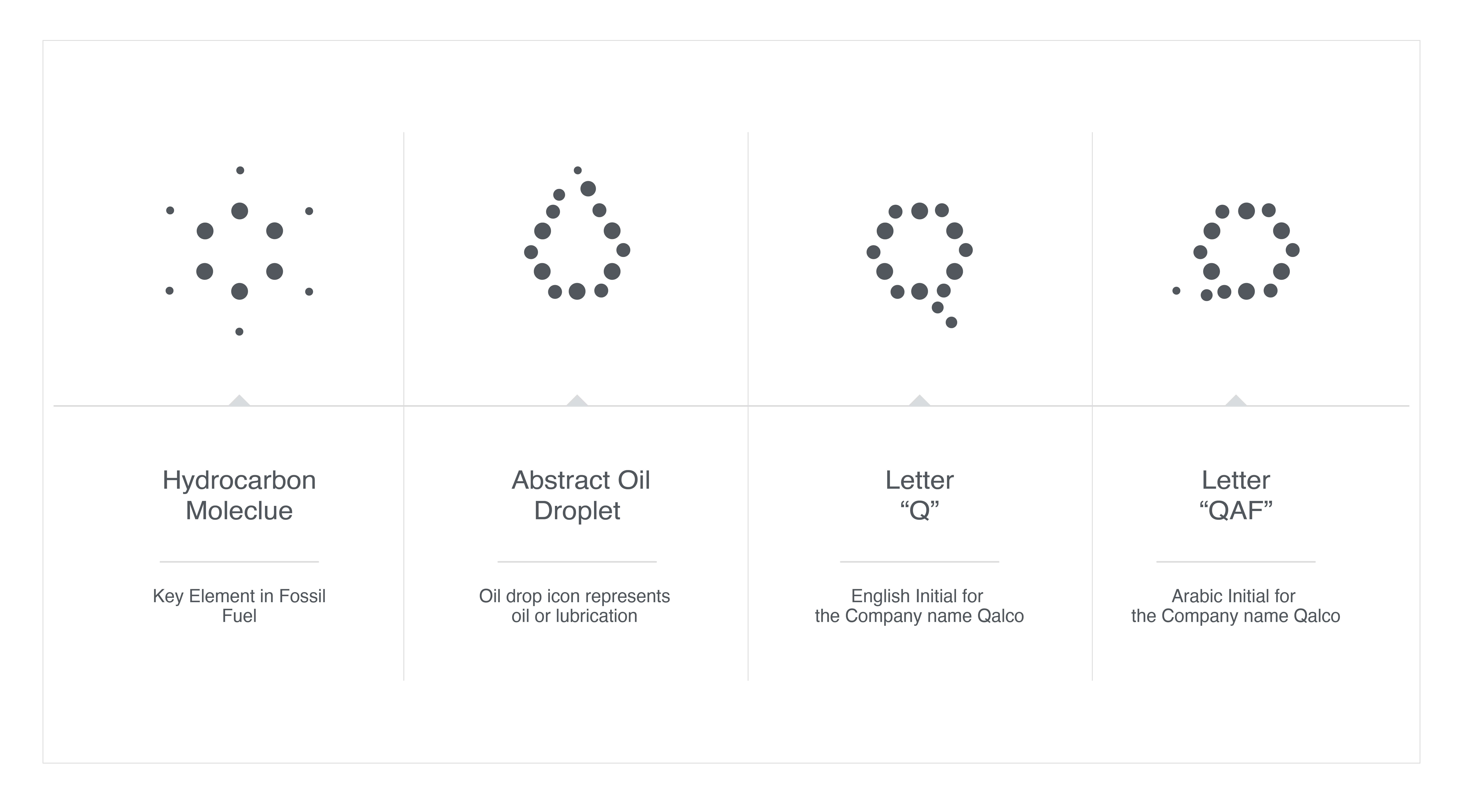
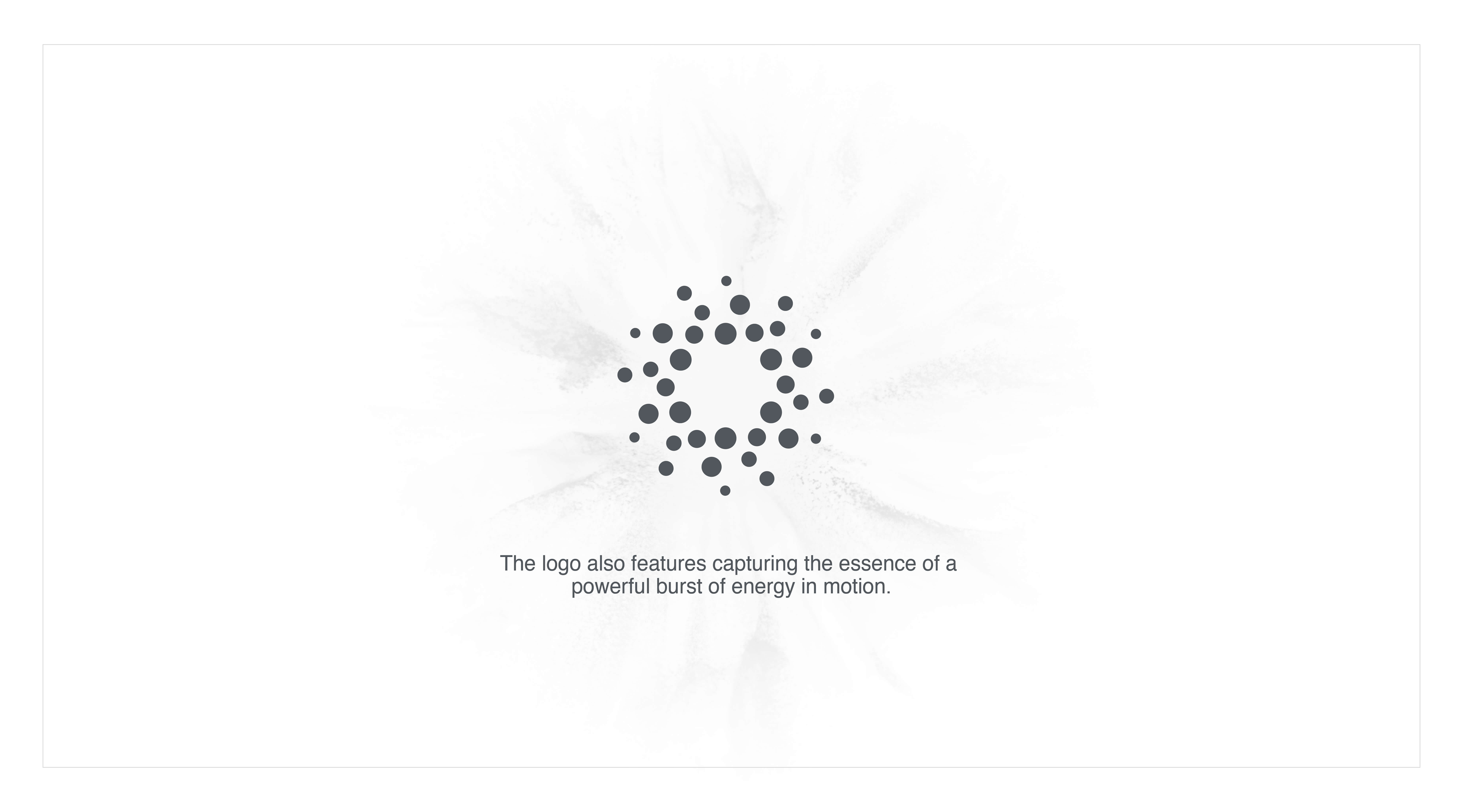
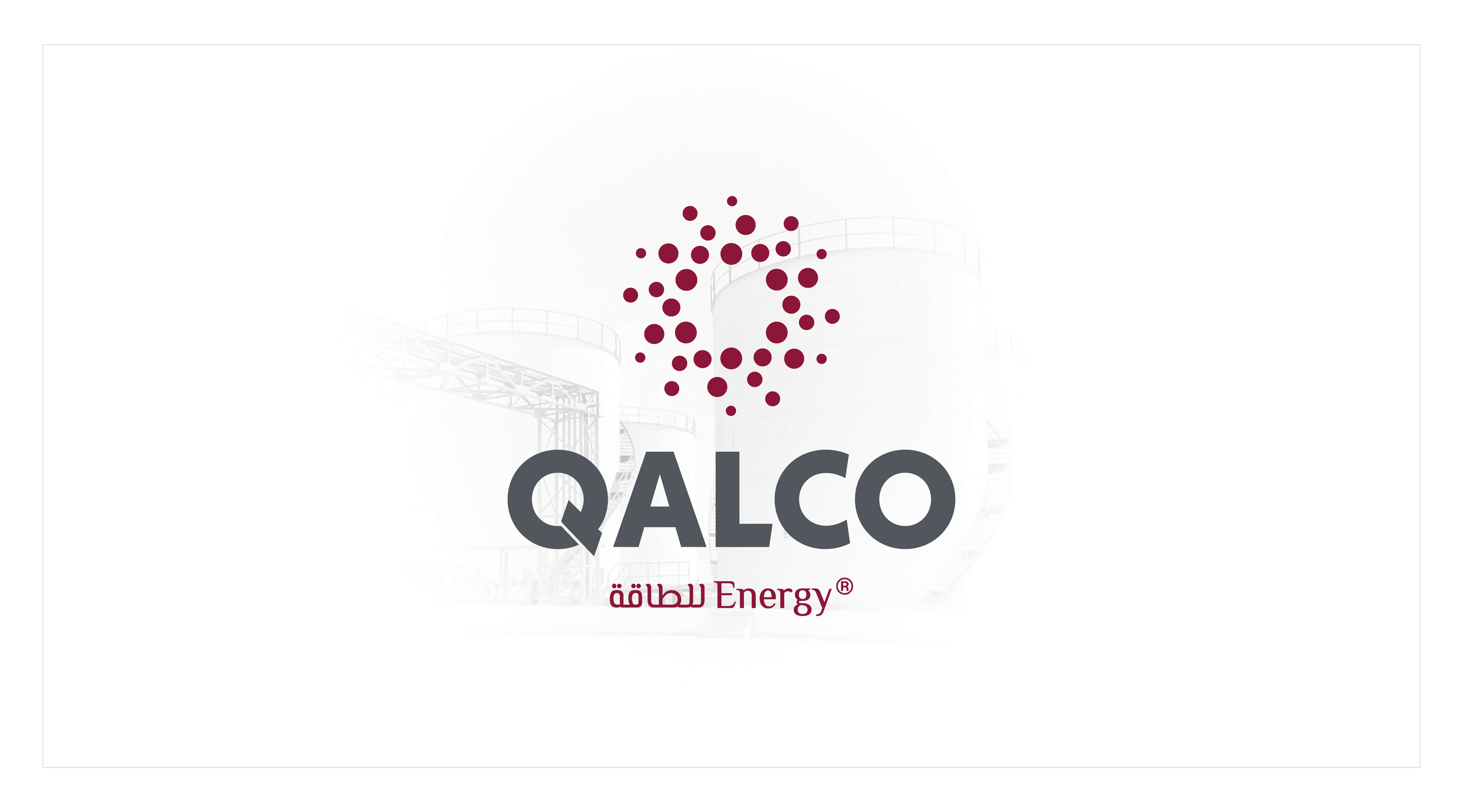
A logo is the most visible element of a brand identity, which is precisely why it gets so much attention — and why that attention is often misplaced. Its job is recognition, not explanation.
What gives a logo meaning is everything around it: the colours it lives in, the typefaces it travels with, the images it appears alongside. Strip away all of that and a logo is just a shape.
This is why logo-first thinking leads to weak brands. The logo is the final signature on a much larger body of strategic and creative work.
02 — Strategy
Strategy Before Aesthetics
Every visual decision in a brand identity system should trace back to a strategic one. Before I open a single design application on a project, I need answers to four questions.
-
Who is this brand for, specifically?
- Not "everyone" — a real person, with real habits, real desires, and real alternatives. The more precisely you can describe who the brand is for, the more precisely you can design for them. Brands that try to speak to everyone end up speaking to no one.
-
What does it believe that its competitors do not?
- Every strong brand holds a point of view. Not a category claim like "quality" or "innovation" — those are table stakes. A real belief that creates genuine differentiation. This belief is what the visual identity is ultimately trying to express.
-
What should a person feel thirty seconds after encountering it?
- Brands communicate emotionally before they communicate rationally. Trusted. Excited. Reassured. Intrigued. Defining the target emotional response gives every design decision a test: does this create that feeling, or does it undermine it?
-
Where does it want to be in five years?
- A brand identity needs to represent the company's ambition, not just its current reality. Build a system that can grow — into new markets, new products, new contexts — without needing to be redesigned every two years.
-
Start withStrategy
-
Commit toConsistency
-
Build theSystem
03 — Consistency
Consistency is the Product
You can have the most considered, beautifully crafted brand identity in the world and still destroy it through inconsistency. A brand builds trust the same way a person does — by showing up the same way, every time, across every context.
This means the same typefaces on Instagram and on invoices. The same tone of voice in a pitch deck and in an email reply. The same colour values on a printed brochure and on a website. Not approximately the same. Exactly the same.
Brand guidelines exist for this reason. Not as a creative restraint, but as a shared language that protects the investment. When everyone on a team understands the rules of the system, the brand speaks with a single, consistent voice no matter who is holding the microphone.
04 — Rebranding
Signs It's Time to Rebrand
Sometimes a brand identity that served a business well at one stage becomes a liability at the next. A rebrand is not an admission of failure — it is a declaration of intent. Here are the signals I watch for.
-
The brand no longer reflects the business
- When the quality, ambition, or nature of a business evolves significantly, the old identity can start to work against it. If clients are surprised by how good the work is compared to what the branding suggests — that gap is costing real money.
-
The audience has shifted
- Markets change. Demographics shift. Tastes evolve. A brand identity built to appeal to one audience will eventually feel out of step with the next. When the people you need to reach no longer see themselves in the brand, it is time to update the visual language.
-
There is no consistency across touchpoints
- If your website, your business card, your social media, and your signage all look like different companies — you do not have a brand identity. You have a collection of visual experiments. A rebrand is the chance to bring everything under one coherent system.
-
The business has expanded beyond the brand
- A brand identity designed for a small local business will strain badly when applied to a regional or international operation. If the system cannot scale — across languages, cultures, applications, and sizes — it needs to be rebuilt from the ground up.


Build the
System —
Not Just
the Logo
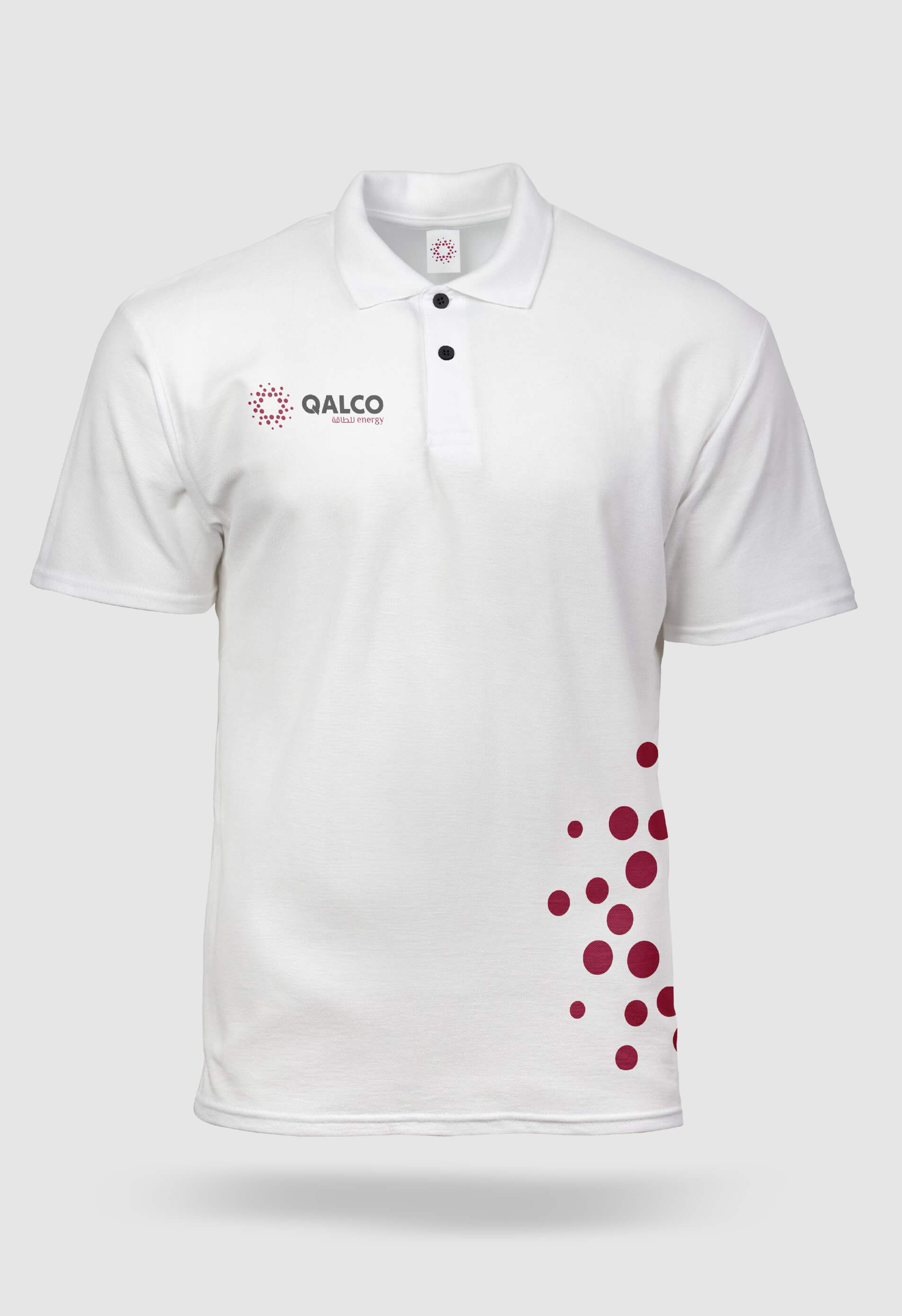

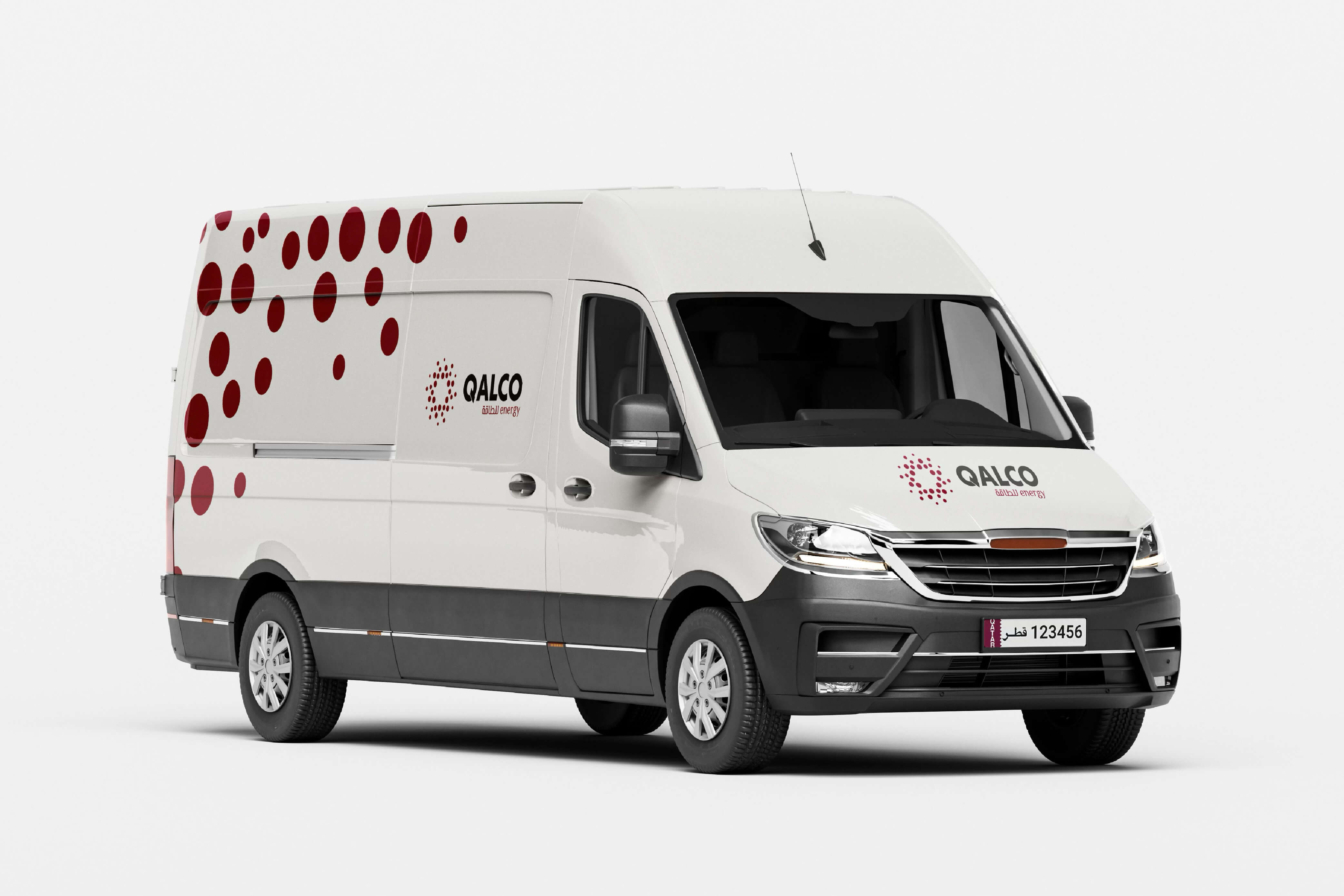
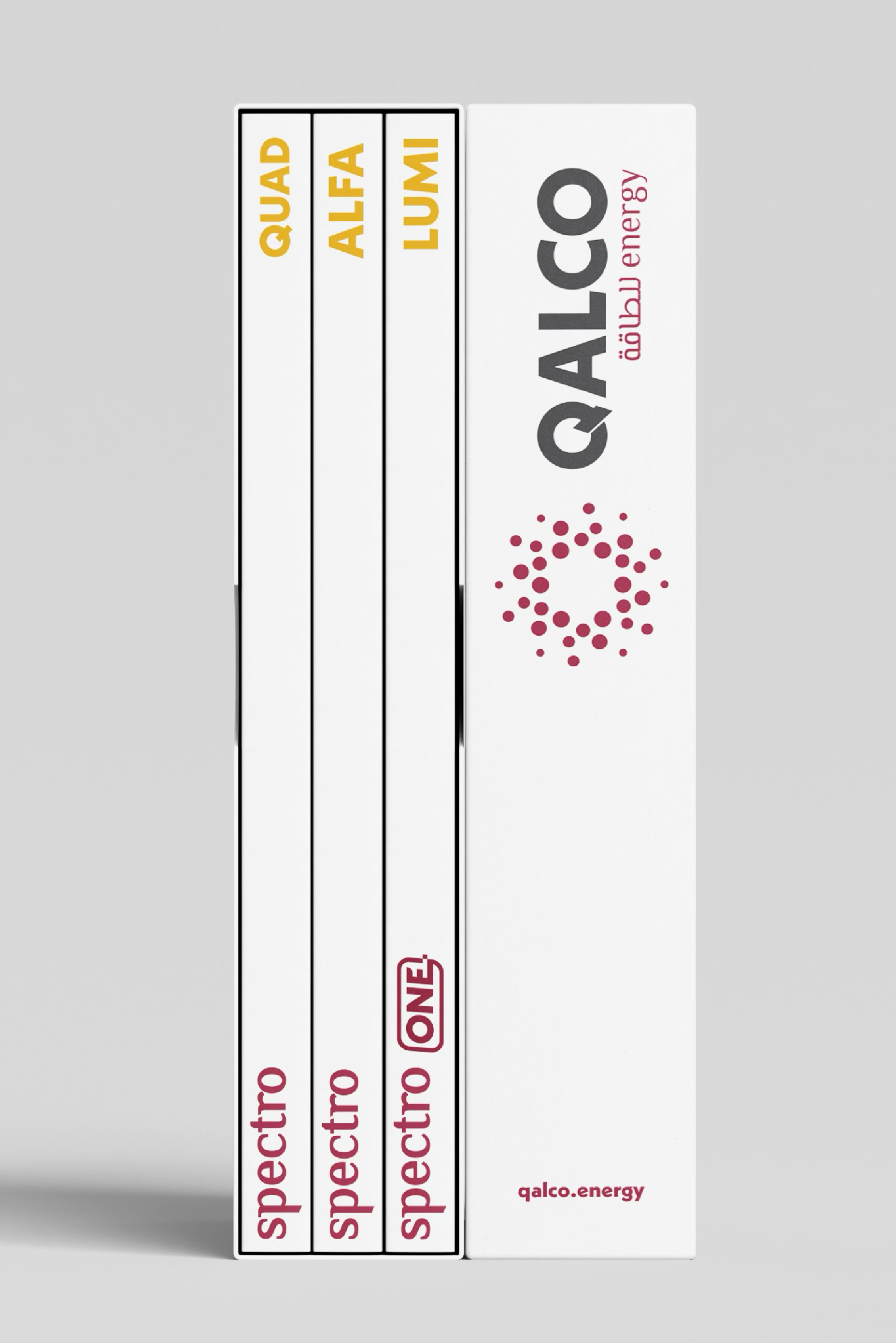


Brand identity is not a logo — it is a system that works everywhere, consistently, for as long as the business exists.
Start with strategy. Build a system. Commit to consistency.
Services
- Brand Strategy
- Visual Identity
- Logo Design
- Brand Guidelines
- Rebranding